Finding Recreational Land for Sale: What to Look for Before You Buy
For years I drove past the same stretch of timberland on my way to visit family in the next state. It was a ragged patch of second-growth oak and hickory, maybe forty acres, with a creek cutting through the middle. Every time I saw it I thought about how nice it would be to own a piece of ground like that, somewhere to park an RV, set up a tiny house, or just walk without hearing traffic. When the "for sale" sign finally went up, I learned something important: buying rural land is not the same as buying a suburban lot. The search for recreational land for sale requires a different set of questions and a willingness to look past the photos.
Most people start by browsing listings online. They see mountain views, lakefront parcels, and secluded lots with mature timber. The fantasy is powerful, and it should be. But the reality of owning recreational property involves access, utilities, and the legal details of how you actually take ownership. That is where owner financing and land contracts become relevant, and where understanding the difference between a conventional mortgage and a seller-financed deal can save you months of frustration.
What Makes Land Recreational
Not every piece of rural land works well for recreation. A flat, treeless forty might be fine for farming, but it offers little for someone who wants hunting land or a place to camp under the canopy. Recreational property usually includes features that support outdoor activity: wildlife habitat, timberland, fishing access, or topography that provides privacy and views. When I helped a friend evaluate a twenty-acre parcel in the Ozarks, we spent more time walking the property than we did looking at the paperwork. The soil was rocky, the understory was thick with blackberry brambles, and a spring-fed pond held water year-round. That pond made the place valuable for camping sites and for attracting deer. Without it, the land would have been little more than a steep hillside.
If you are looking at acreage for recreation, ask what the land supports during each season. Does it hold water? Is there enough mature timber to provide shade and cover? Are there established trails or old logging roads that give you access to the interior? These questions matter more than the asking price because they determine how much you will need to spend to make the land usable.
The Reality of Owner Financing
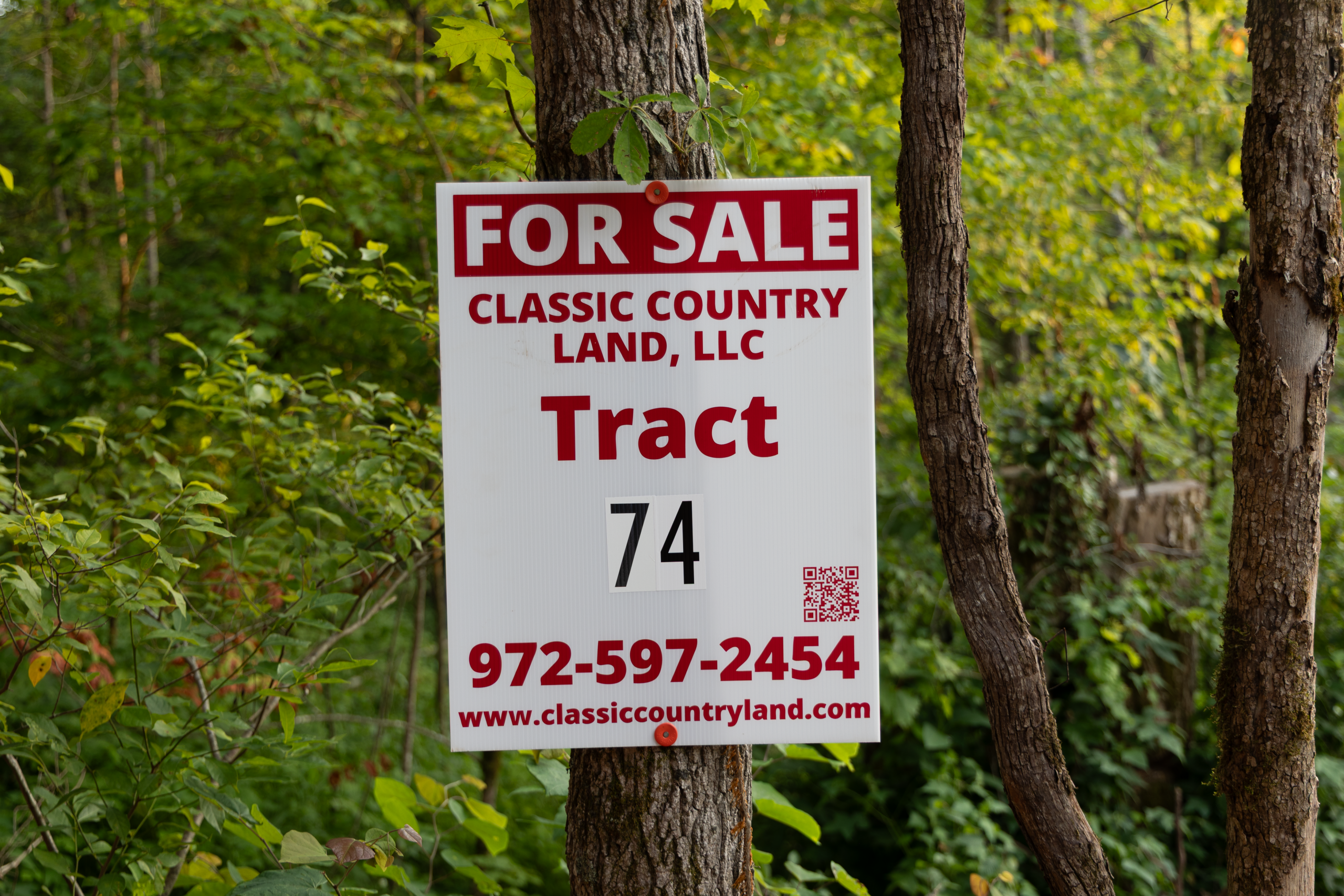
One of the first surprises for buyers is that banks rarely lend on bare land. A conventional mortgage is designed for improved property with a house on it. For raw rural land, seller financing is the most common path. When you see recreational land for sale advertised with no credit check and low down payment, the seller is essentially acting as the bank. You make monthly payments directly to the seller under a land contract, and you receive the deed once the balance is paid.
This arrangement has real advantages. It bypasses the credit score hurdle that stops many buyers. You can get into a piece of property with a down payment that is a fraction of what a bank would require. But it also means you need to trust the seller and understand the terms of the contract. I have seen contracts where the buyer missed a single payment and the seller declared a forfeiture, wiping out all the equity the buyer had built. That is legal in many states unless the contract specifically protects the buyer with a reinstatement clause or a right to cure. Before you sign anything, have a local real estate attorney read the document. That small expense can save you from losing thousands of dollars.
Access and Utilities
I once looked at a beautiful forty-acre tract in western Kentucky. The listing photos showed open meadows and a creek. What the photos did not show was that the only legal access was a gravel easement across a neighbor’s cow pasture, and that easement had not been maintained in years. Getting a truck back there required a four-wheel-drive vehicle and a willingness to open and close three gates. That is fine for occasional weekend trips, but it makes building a tiny house or parking an RV much harder. Before you commit to any rural land, verify that there is a deeded right-of-way or a public road frontage. Do not rely on verbal promises from the seller. Get it in writing.
Utilities are another factor that catches people off guard. Electric companies will run a new line to a remote property, but the cost can be several thousand dollars per pole. If the nearest power line is half a mile away, you could be looking at a five-figure bill just to get electricity. For off-grid living, that might not matter. Many buyers intentionally choose properties without utility connections because they plan to use solar panels, propane, and rainwater collection. But if you want conventional power, water, or internet, check availability before you buy. The same applies to septic permits. Not every piece of land will perc for a septic system, and if you plan to put in a tiny house or an RV with a bathroom, you need to know that upfront.
What to Look for in Recreational Property
Over the years I have developed a short mental checklist when I evaluate a parcel. These are not hard rules, but they help separate a good buy from a money pit:
- Legal access that is recorded and does not rely on a handshake.
- Some form of water, whether a well, a creek, or a lakefront location.
- Reasonable topography. Steep ground is fine for views and privacy but hard to build on.
- Wildlife habitat. Look for food sources, cover, and water. That is what makes land good for hunting and camping.
- No hidden restrictions. Check for conservation easements, mineral rights reservations, or zoning that limits what you can do.
I have walked away from three deals because the access was not legally clear. Each time I was disappointed, but each time I also saw friends who bought similar properties end up in costly boundary disputes or locked out by a neighbor who closed an unrecorded road. Paying a little extra for a clean title and a surveyed boundary is always worth it.
Building a Legacy on Your Land
The phrase "building a legacy" gets thrown around a lot in real estate marketing, but it has real meaning when you own rural land. A friend of mine bought a small piece of hunting land twenty years ago. He put in a simple cabin, planted fruit trees, and established a food plot for deer. Over time that property became the gathering place for his extended family. His kids learned to hunt there. His grandchildren now camp there in the summer. The land itself has appreciated in value, but the real return is the shared experience. That is the kind of legacy you cannot get from a stock portfolio.
When you are looking at recreational land for sale, think about what you want that property to become. Do you see a weekend retreat with RV parking and a fire pit? A secluded lot for off-grid living where you can eventually build a permanent home? A piece of timberland that you can manage for wildlife and maybe harvest some firewood? The best purchases are the ones where the land matches your long-term vision. If you are not sure yet, start with a small parcel that gives you room to explore without overcommitting.
Financing and the Land Contract
Owner financing is the most common way to buy rural land, and it works well when both parties are honest. The seller sets a price, you agree on a down payment, and you pay the rest in installments. No bank, no credit check, no waiting for mortgage approval. The down payment can be as low as a few thousand dollars on a thirty- or forty-acre tract. That low barrier to entry is what makes recreational property accessible to people who would never qualify for a conventional loan.
But there are downsides. With a land contract, the seller usually keeps the deed until you have paid off the full amount. If you fall behind, you can lose the property and all the money you have put into it. That is why I always advise buyers to make sure the contract includes a grace period and a right to cure. Also, ask whether the seller will provide a title insurance policy or a title search. If the seller does not have clear title, you could end up in a legal mess. A few hundred dollars spent on a title search before you sign can prevent years of headaches.
Another option is to look for sellers who offer a warranty deed at closing, with a promissory note and a deed of trust recorded in the county. That structure gives you more protection because the foreclosure process follows state law rather than the terms of a private contract. It is worth asking about, especially if you plan to put significant improvements on the land.
Final Thoughts on Buying Recreational Land
The best piece of advice I can give is to visit the property in person, preferably more than once and in different weather. A parcel that looks beautiful in June can be a mud pit in March. The creeks that seem charming in summer might flood in spring. The timber that looks dense from the road might be mostly invasive species with little wildlife value. There is no substitute for walking the land, talking to neighbors, and checking county records yourself.
Recreational land is not a liquid investment. You cannot sell it quickly if you need cash, and the carrying costs, property taxes, and liability insurance add up. But for the right buyer, the trade-off is worth it. A piece of rural land gives you a place to disconnect, to hunt and fish, to park an RV or set up a camping site, and eventually to pass on to the next generation. That is hard to put a price on, and it is why the search for the right parcel is worth doing carefully.